$0,00
CheckoutAromatherapy: choosing an aroma lamp and essential oils
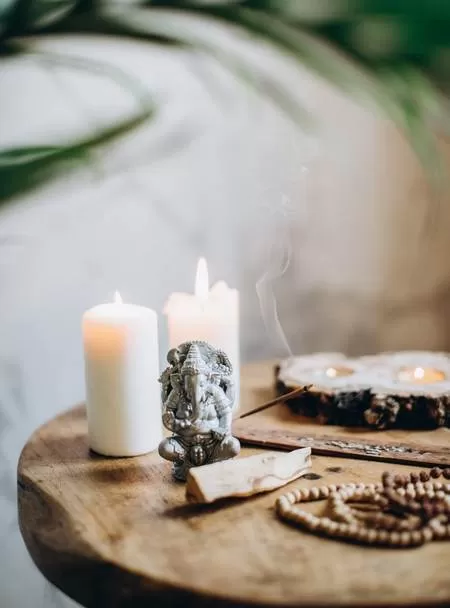 There are many ways to "settle" a pleasant aroma in your home, but there is nothing more natural and healthier than using an aroma lamp with essential oils. But the main application of such a lamp and oils is aromatherapy: prevention, treatment and improvement of mood, physical and emotional state.
What you need. First, the aroma lamp itself. We'll talk about what they are in a minute. Secondly, tea (in sleeves) candles. It is best to use unscented candles because scented tea candles usually use chemical fragrances that can ruin the final smell. Thirdly, the main component is essential oils, which can be used both solo and in various combinations.
Types of aroma lamps
Classic aroma lamp
It consists of an upper bowl, into which water is poured and oils dripped, and from a lower part, where a tea candle is placed and lit. It is important to choose an aroma lamp with a good bowl volume and sufficient distance between the fire and bowl. The minimum volume of the bowl is 25 ml, the minimum distance from the flame to its bottom is 7 cm, but it is better if the corresponding parameters are at least 40 ml and 11 cm.Both of them can be larger - and then heating, like evaporation of water , will be slower. The distance between the fire and the bowl controls the rate of evaporation of water and oils and the degree of heating. If the heating is too intense, the water will boil off and the oils will not evaporate properly. But too little heating will not work. It is best when the burner is made of ceramic, porcelain, glass or stone. Composite varieties, like metal ones, can somehow affect the aroma when constantly heated. Some aroma lamps are impressively decorative, but when choosing, pay special attention to functionality - a comfortable shape, a capacious cup, sufficient distance to it and a suitable body material.
Electric aroma lamp
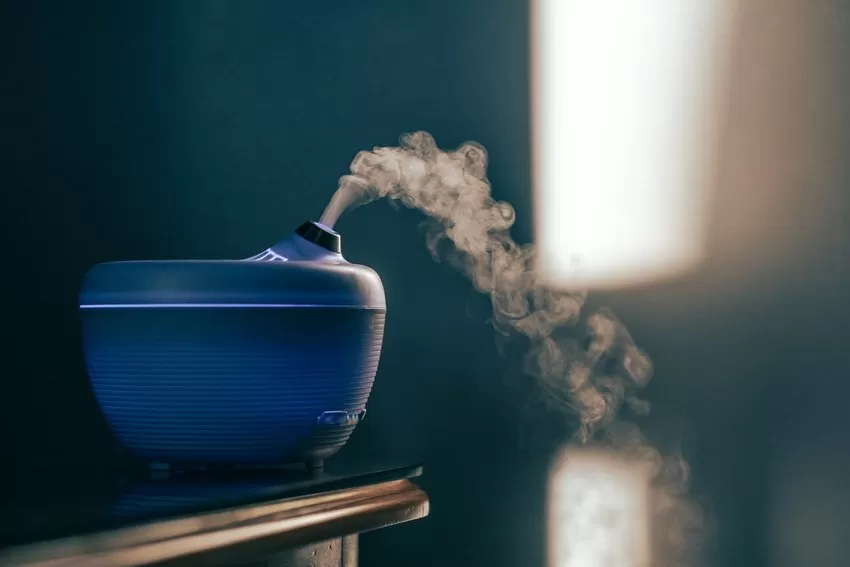
In addition to classic lamps, the most common option is an electric aroma lamp. It does not require lighting candles and is safer, since it does not need your constant supervision and presence. The working part is heated with electricity, but the rest of the procedure is the same: you pour water and drip essential oils into it (in some models it is possible to use the lamp without water at all). In addition, there are ultrasonic aroma lamps, USB models and all kinds of hybrids. The main element remains unchanged - essential oils, only the heating method changes for the gradual evaporation of the oil. It doesn't matter which lamp you prefer: each one has its own advantages and disadvantages. So, the classic lamp is the simplest one, moreover, in the process of use it gives rise to a very cozy feeling, but at the same time it is not easy to regulate the degree of heating, and most importantly, you need to constantly monitor it: add evaporating water so that the cup is never dry , make sure that the candle does not burn out. If you have small children, the option with a lit candle in a classic aroma lamp is also not ideal. So the main thing is to understand what exactly suits you best.
How to use an aroma lamp.
The main stage is to fill the bowl with something that after just a few minutes will begin to spread throughout your home in the form of aroma. Pour water into a bowl (not quite to the brim, but not on the bottom either), and then drip one or more essential oils into it. For 40-50 ml of water and an average room, 3-5 drops are enough. Be careful not to overdo it! If the concentration of essential oils in the air is too high, then you may get a headache, in general, the therapeutic effect will turn into negative. If you add too little essential oil, the effect will be insufficient.
With solo oil, everything is clear: you just drip a few drops from one bottle into the water and then enjoy the result. But there are many great recipes for essential mixtures: several components in them work in tandem - and the effect is stronger. This does not mean that if you drip the oils "by eye", without thinking too much about the compatibility, you will certainly work out well: it is better to use already proven recipes, especially if you are a beginner. Subsequently, having compiled your small collection of essential oils, you can experiment and come up with new combinations.
After the bowl is full, you either light a candle or in some other way activate the aroma lamp, which starts heating the bowl. If the water evaporates too quickly, add a little more; if the aroma seems insufficient to you, put a few drops of oil in a bowl. If you have a classic aroma lamp, blow out the candle when the water has almost completely evaporated (but do not wait until the bottom of the bowl dries up and begins to smoke). As a rule, 30-50 minutes of aromatherapy using an aroma lamp is enough for a sufficient effect. If you turn off or extinguish the lamp, then the aroma will soon begin to gradually dissipate, leaving behind only a slight "hint". By the way, in the process of using an aroma lamp, it is easy to check the quality of essential oils: if they are good, clean, then both the aroma and its "aftertaste" will be simultaneously rich and pleasant, and if the oil leaves much to be desired, the aroma will be questionable, and it will not go away as airy as quality.
Keep the aroma lamp clean: any dirt on the bowl can affect the aroma when heated. You can pay attention to this already when choosing an aroma lamp: some of them, although they look beautiful, are inconvenient to clean and tend to grow overgrown with candle smoke, are poorly washed.
Selection of essential oils
The choice of essential oils is very wide: you can learn about each of them from the description, which a good manufacturer must attach to their products. Here are some examples:
- Lavender. Lavender oil fights insomnia, low mood, depression, soothes. Helps relieve headaches and colds.
- Ylang-ylang. Ylang-ylang oil helps with agitated nerves, anxiety, unreasonable fears, reduces irritability. Well suited for breathing exercises, as it has a positive effect on the respiratory system.
- Grapefruit. It invigorates and harmonizes mood, refreshes, relieves bouts of irritability and bad mood. Good prevention of colds.
- Rosemary. Rosemary oil liberates, allows a person to open up, talk, become more relaxed, fights with complexes and insecurity. Improves blood circulation and relieves headaches.
- Bergamot. Bergamot oil “launches” a creative streak, imagination, at the same time calms and makes you concentrate - and relaxes. Possesses antiviral properties.
- Lemon. Lemon oil refreshes and invigorates, makes a person look at his life in a new way. Antiseptic and antiviral properties are most prominent among others in lemon oil.
- Sage. Sage oil helps to get rid of anhedonia and apathy, to cheer up, while not becoming overexcited.
- Ginger. Ginger oil works as a source of additional energy: it helps shake off apathy, restore strength lost after stress or illness. Useful for colds and other diseases associated with the respiratory system.
Composing essential oil blends is an art that requires both knowledge of the properties of all oils and a lot of experience.
Photos
12/28/2020 07:47:14
Comments:0
Views:1853
Comments