$0.00
CheckoutJapan Wax vs Beeswax: 10 Key Differences You Must Know Before Choosing
What is Japan Wax?
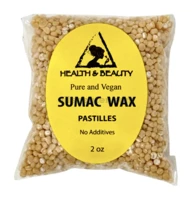
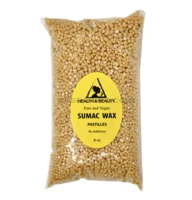
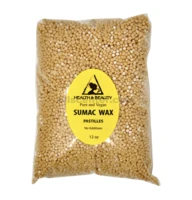
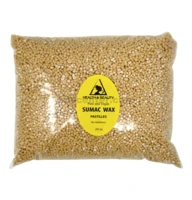
Japan wax, also known as sumac wax or vegetable tallow, is a natural plant-based wax extracted from the berries of the Rhus succedanea tree, native to Japan and parts of China.
-
Texture: Creamy and soft
-
Color: Pale yellow to off-white
-
Scent: Mild and fatty
-
Melting point: Around 50°C (122°F)
It’s commonly used in cosmetics, polishes, candles, and pharmaceuticals due to its smooth application and plant origin.
What is Beeswax?
Beeswax is a natural wax secreted by honeybees (Apis mellifera) to build honeycombs. It’s one of the oldest materials used in skincare and candle-making.
-
Texture: Firm yet pliable
-
Color: Yellow, white, or bleached
-
Scent: Pleasant, natural honey aroma
-
Melting point: Around 62–64°C (143–147°F)
Beeswax is renowned for its anti-inflammatory, antibacterial, and moisturizing properties, making it a key ingredient in balms, creams, and ointments.
Japan Wax vs Beeswax – Quick Comparison Table
| Feature | Japan Wax | Beeswax |
|---|---|---|
| Source | Plant-based (sumac tree berries) | Animal-based (bees) |
| Texture | Soft and creamy | Firm and elastic |
| Color | Pale yellow | Yellow to white |
| Scent | Mild, oily | Sweet, honey-like |
| Melting Point | ~50°C (122°F) | ~63°C (145°F) |
| Vegan | ✅ Yes | ❌ No |
| Sustainability | Renewable plant source | Depends on ethical beekeeping |
| Applications | Vegan cosmetics, candles | Skincare, candles, polishes |
| Price | Generally cheaper | Slightly higher |
Texture and Consistency
Japan wax has a creamy texture that spreads easily, making it ideal for soft formulations like lip balms and creams. Beeswax, on the other hand, offers structure and stability, giving products a firmer hold — perfect for salves, deodorants, and solid perfumes.
Melting Point and Workability
Japan wax melts at a lower temperature, making it easier to work with in DIY formulations or delicate cosmetics. Beeswax’s higher melting point means it adds better heat resistance, which is beneficial for products that need to stay solid in warm environments.
Natural Origin and Sustainability
Japan wax is plant-derived and vegan-friendly, making it a sustainable option for eco-conscious brands. Beeswax, although natural, is animal-derived, and its sustainability depends on ethical beekeeping practices that protect bee populations.
Applications in Cosmetics and Skincare
-
Japan Wax: Used in vegan lip balms, creams, and lotions for its smooth finish.
-
Beeswax: Offers a natural barrier to protect skin, locks in moisture, and adds gloss to lip products.
Applications in Candle-Making and Polishes
Beeswax burns longer and cleaner, emitting a pleasant honey scent — ideal for premium candles. Japan wax burns faster and may produce slight soot but is often used for budget-friendly or vegan candle blends.
Skin Benefits and Safety
Both waxes are non-toxic and skin-safe, though beeswax is slightly superior for healing dry, cracked skin. Japan wax can sometimes cause mild irritation for those with very sensitive skin.
Scent and Color Differences
Beeswax has a distinct sweet aroma, while Japan wax has a neutral fatty scent, allowing more control over added fragrances.
Price and Availability
Japan wax tends to be less expensive and easier to source in bulk from Asian suppliers, while beeswax is often premium-priced due to limited production and rising demand.
Japan Wax vs Beeswax in Vegan Formulations
Japan wax is 100% vegan and plant-based, making it the go-to for brands avoiding animal by-products. Beeswax, while natural, is not vegan, though it’s valued for its performance and traditional heritage.
How to Choose Between Japan Wax and Beeswax
| If you want... | Choose... |
|---|---|
| Vegan or plant-based formulations | Japan Wax |
| Long-lasting candles | Beeswax |
| Smooth, creamy textures | Japan Wax |
| Natural honey aroma and firm texture | Beeswax |
| Cost-effective bulk ingredient | Japan Wax |
FAQs about Japan Wax and Beeswax
Is Japan wax safe for skin?
Yes, but patch testing is recommended for sensitive skin.
Can you mix Japan wax and beeswax?
Yes, combining both can balance texture and stability.
Which burns longer in candles?
Beeswax candles burn longer and cleaner.
Is beeswax better for lip balm?
Yes, because of its protective barrier and moisturizing benefits.
Does Japan wax have a smell?
It has a mild, fatty scent that can be masked with essential oils.
Are both natural?
Yes, both are naturally derived and biodegradable.
Conclusion
When comparing Japan wax vs beeswax, both shine in their own way.
-
Choose Japan wax if you need a vegan, soft, and budget-friendly option.
-
Choose beeswax if you prefer a natural honey scent, better structure, and deep skin nourishment.
Both are excellent, sustainable ingredients — your choice depends on your formulation goals and ethical values.
Photos

10/07/2025 09:38:04
Comments:0
Views:2619
Comments