$0.00
CheckoutChoosing a cosmetic oil for the face: by skin type
 We are already accustomed to using cosmetic oils to soften rough heels, to fight cellulite, to enhance hair growth, to nourish dry skin for extreme nourishment, to care for chapped lips - but the idea of using oils as a face cream still seems a little daunting. This is largely due to the myth that the oil is supposedly suitable only for very, very dry skin and only in the form of a mask. As a result, owners of all other skin types pass by with regret, and in vain, because for anyone - absolutely for anyone! - skin type, you can choose an oil that will solve emerging problems and take care of it exactly as needed. Fatty - matting, problematic - soothing, dry - to soften, normal - to take care of, sluggish - to tighten, age - to tone up, as well as brighten, protect and help in regeneration. The only problem is finding the right, perfect oil. We will talk about this!
General rules of application
The use of cosmetic oils instead of a skin care cream is in many ways trivial: you apply oil (or oil mixture) as a night care after cleansing, do it regularly - and enjoy the result. But still, there are several key and important rules that must be followed in order not to harm the health of the skin:
- Do not use face oil all the time, every day without interruption. Ideal application: 2-3 times a week.
- Since some oils oxidize when exposed to daylight, they should only be applied overnight. In general, any oils are best used in the evening care program, and in the morning use creams.
- The oil is applied exclusively to damp skin!
One more detail: when choosing oils for the face, it is necessary to take into account such an indicator as comedogenicity - the ability of the oil to stimulate the "clogging" of pores. For those with dry skin that are not prone to such problems, this indicator is not important, but for those who have oily, problematic, easily irritated skin with enlarged pores, etc., it is better to take this point into account. The comedogenicity level of each oil is easy to find in the summary tables on the net. Even oils similar in consistency and segment of application often have different comedogenicity (for shea butter, it = 0, which means minimal comedogenicity, for cocoa butter it is high, so the former can even be applied to the face, for example, as a mask, and the latter should not be ).
Solo or in mixes?
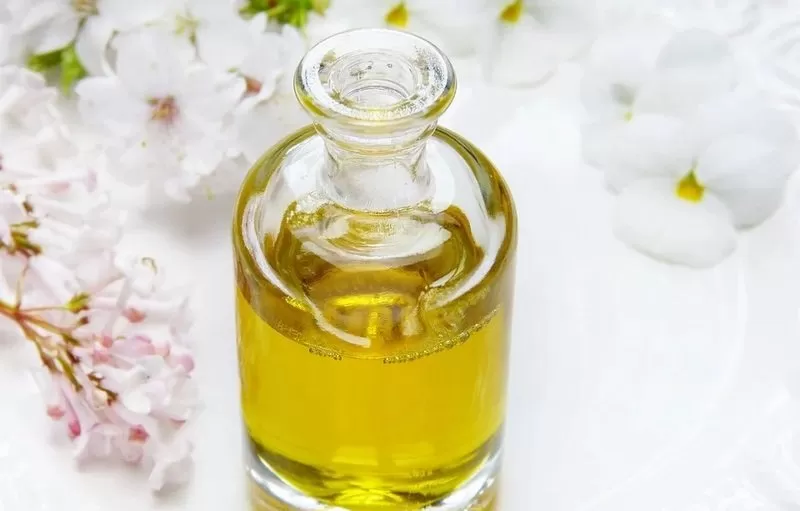
Cosmetic oils can be used both solo, in pure form, and in various mixtures and combinations. Some oils are suitable for use alone, without additives or additives, such as almond or argan. And some need to be mixed with others, basic, in a certain percentage (this is usually indicated on the packaging by the manufacturer). In addition to cosmetic oils themselves, essential oils can also be found in such mixtures, which expand the functionality of the "oil cocktail", enriching it with the ability to relieve irritation, tone, warm up or whiten the skin. It is as easy as shelling pears to use natural oil in its pure form: you simply squeeze a drop into the palm of your hand - and after proper preparation, apply like a cream. You can either buy the mixtures ready-made, or create them yourself (this is not so difficult and at the same time very exciting), but for this you need to “pump” and learn how to understand natural oils well.
Cosmetic oil by skin type
- Oily skin. Skin prone to oily content requires highly absorbent, non-heavy oils, as well as oils that regulate the oily skin. Among them, the most suitable: hazelnut, tamanu, rice bran, hemp oils. Some oils for normal skin, such as almond or grapeseed oil, may also work.
- Dry skin. Dry skin most favorably accepts natural oils, which soften and nourish it. Great options for this skin type: jojoba, avocado, evening primrose, argan, macadamia, sasanqua, sesame, borage, and rice bran oils. However, for dry skin, you can use almost any oil - from hemp oil to solid oils, butters.
- Normal to combination skin. Suitable options are "stone" oils (apricot, peach, almond), jojoba, argan, rice bran, sasanqua, macadamia, rose hips, hemp, grape seed, borago, almond. When caring for normal skin, oils moderately nourish, help moisturize and regenerate skin cells.
- Problem skin. For problem skin prone to inflammation and redness, oils with soothing and bactericidal properties, as well as helping to heal, are suitable. Among such oils, the most effective are hazelnut, tamanu, amaranth, rosehip seeds, black cumin. By the way, more complex oil mixtures work great for problem skin, for example, from hazelnut and tamanu oils with the addition of tea tree essential oil and, say, soothing lavender.
- Mature skin. Of course, there are no anti-age oils, but there are natural oils that give a lifting effect, tone up and help the skin to increase its own natural elasticity and firmness. These oils include universal jojoba and argan, and more nutritious avocados and borage, evening primrose.
Applying oil or oil mixture to the face. The oil is applied to the face instead of a night cream several times a week. The sequence is as follows: you cleanse the skin (bio-purification, ubtan, another natural remedy), then sprinkle it with a hydrolate tonic - and immediately, on wet skin - apply a drop or two of oil or an oil mixture. Gently distribute, massaging along the massage lines. After a minute, you can dab your face with a napkin if it seems oily to you. As a rule, properly selected oil, applied in a small amount, is absorbed without residue and does not require removal of excess.
Photos

12/09/2020 05:48:31
Comments:0
Views:756
Comments