$0.00
CheckoutEssential Oils for Insomnia

Short-term, occasionally occurring sleep disorders happen to everyone. Their cause may be nervous excitement and strain on the eve of important events, overeating, responsible performance in front of a large audience, bad habits, conflicts in the family or at work, violation of the biorhythms of the body as a result of flights over long distances. Any event accompanied by nervous tension, even a very pleasant one, can lead to a person having difficulty falling asleep and waking up early, which will negatively affect his well-being, performance and mood. It is possible to effectively cope with sleep disorders with the help of aromatherapy techniques and simple methods that will help relieve stress after a hard day.
Aromatherapy methods can not only affect the immediate symptoms, but also cope with the disorders that cause sleep disturbance. The healing properties of essential oils contribute to a calm, healthy sleep, without causing the notorious side effects that invariably occur with medical treatment. Aromatization of air, aroma baths, personal aroma pendants are the most common methods of dealing with insomnia.
Effective Aromatic Oils
The most effective oils that allow for the comprehensive treatment of sleep disorders are neroli, chamomile and lavender essential oils. They not only possess the necessary calming properties, but also allow you to harmonize the nervous activity, help stabilize the emotional background, productive way out of stress and relieve anxiety, irritation, obsessive states. Giving a feeling of comfort, they help to cope with problems that have resulted in insomnia.
- If the cause of sleep disturbances was too much responsibility or unpleasant events, then benzoin will be the best aromatic oil.
- Sleep disturbance caused by depressive disorders helps to cure bergamot, and if you are too tired, it is better to use sage (it can not be used with alcohol!).
- If you want to achieve the effect of positive changes, the calming and warming effect of marjoram will be a real healing for you.
- Aroma oils of ylang-ylang, sandalwood, and juniper will also help to cope with sleep disorders.
- For chronic insomnia, severe and prolonged sleep disturbances, you can use rosemary, lemon balm, orange, frankincense, fennel, laurel, basil, juniper, rose, sandalwood, cypress, mint, neroli oils in any combination.
- If nightmares bother you, scent the room with rose oil.
- Irritation will help eliminate bedtime neroli, anise, cypress, lavender, wormwood, juniper, fir.
- The feeling of loneliness, misunderstanding, inferiority will take away the smells of mint, laurel and fennel.
- If you are haunted by anxiety and excitement, add coriander and laurel to the essential oils.
How to use essential oils for sleep disorders
You can increase the effectiveness of essential oils by rubbing in the temporal lobe of 2 drops of chamomile and lavender aromatic oils (dissolved in a teaspoon of base oil) taken in an amount.
For aroma baths aimed at solving sleep problems, use about 6 drops of oil diluted in an emulsifier (for example, neroli or sandalwood) and not more than 3 drops of lemon balm oil. Usually baths are taken every day, in the evening, making the procedure as short as possible - no longer than 10-15 minutes and using only warm, not hot water.
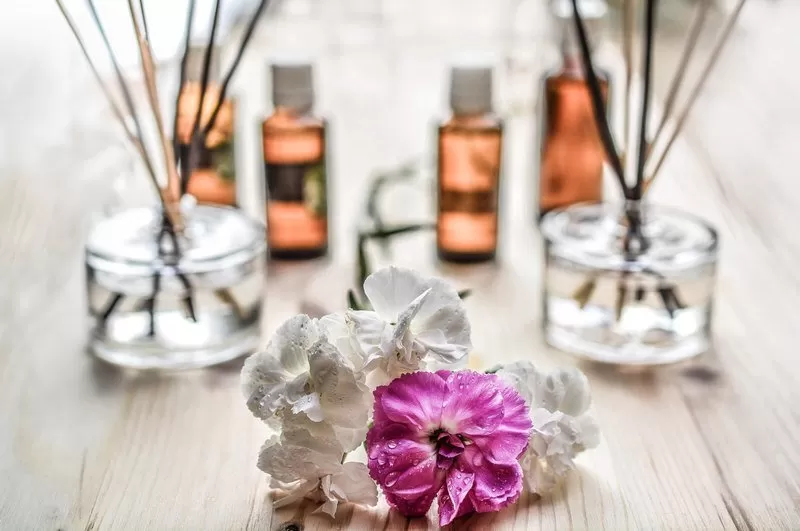
Aroma baths need to be combined with wearing other oils in a personal aroma pendant in the afternoon and scenting the head of the bed or laying out aromatic sachets near the head of the bed.
Any essential oil aimed at treating sleep disorders should not be used for longer than two weeks without a break. The most effective practice is the gradual replacement of oils with “transitional” periods, when the old and new oil is used in equal proportions in the mixture. To find your oil, you need to experiment, try, look for suitable mixtures.
If insomnia becomes an obsessive state, it is not possible to cope with it using the usual procedures, you should consult a doctor and develop an individual program in which traditional methods would be supplemented with meditation, breathing exercises, a sauna, massage.
If sleep disturbances are the result of re-acclimatization, if you travel often and cannot establish a normal daily biorhythm, then use 3 drops of geranium oil in a personal aroma pendant, and a rosemary bath mixture in the evenings.
How to prepare for bed

Essential oils will be effective only if you change your lifestyle and try to get ready for bed correctly. First of all, you need to pay attention to your bed rest - by night you should consciously reduce, restrain emotional arousal, and, accordingly, the intensity of physical and mental activity should also decrease.
You should not read literature before bedtime, which can cause strong emotions, make a strong impression on you, have a hearty late dinner, drink plenty of fluids - you will not be able to fall asleep for a long time and your sleep will be difficult. Dinner should not be too late; try not to eat or drink anything two hours before bedtime.
Much attention should be paid to the hygiene of the room: the air should be fresh and clean, and regular wet cleaning should become a mandatory rule. You should take care of the place of sleep. A very soft bed over time makes breathing difficult for the skin, and the blanket with which you hide should not be heavy. A good walk is also facilitated by a short walk in the fresh air or at least access to a balcony before going to bed.
You can resort to the use of sedatives (such as valerian or motherwort) and take them before bedtime only in extreme cases, on the recommendation of a doctor, having exhausted all of the above methods of dealing with physical, emotional and psychological stress.
If sleep disorders become systematic, regular and do not respond to aromatherapy or drug treatment, you should definitely consult not only a therapist, but also a neurologist.
Photos

05/08/2020 04:59:08
Comments:0
Views:1111
Comments

/bas%20lin%2016oz-192x200.webp)