$0.00
CheckoutHow to create your own perfume from essential oils?
Want to make perfume yourself? Create your own unique aroma bouquet? To be unique and to be recognized by the exquisite train of your aroma? Then this information will be useful for you!
You should be aware that pure essential oils should also be included in the class of aromatic products (perfumes). They are extracts from various plants. Pure ethers are a part of the classic elite perfumery. Accordingly, combining essential oils, you can create your own perfume.
Creating your own fragrance at home is simple enough. When creating famous elite perfumes, perfumers follow the rules:
Initial (upper) notes + heart notes + base notes
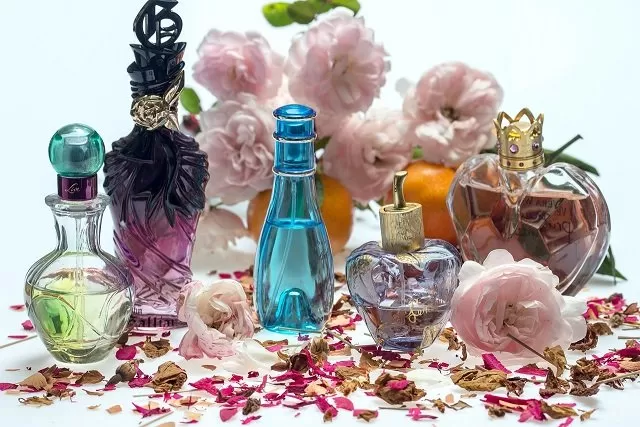
What will the fragrance consist of?
All these notes (essential oils) have different volatilities:
The initial notes are bright and highly volatile (you hear them first), the heart notes give depth to the aroma, the base notes set the character of the aroma (these are the notes of essential oils with low volatility). By mixing essential oils you can enhance their properties and create the most beneficial aroma for you. Essential oils are:
High volatility (first notes)
- Bergamot
- Eucalyptus
- Bitter or sweet orange
- Mandarin
- Tangerine
- Grapefruit
- Eucalyptus
- Sage
- Kayeput
- Tea tree
- Lemon
- Coriander
- Thyme
- Basil
- Clary
- Lime
- Lemongrass
Medium volatility (heart notes)
- Geranium
- Black pepper
- Mint
- Chamomile
- Fennel
- Lavender
- Juniper
- Camphor
- Camphor
- Melissa
- Rosemary
- Anise
- Marjoram
- Pine
- Palmarosa
- Verbena or Litsey Cubeb
- Pink tree
Low volatility (base notes)
- Clove
- Jasmine
- Oregano
- Ylang ylang
- Ginger
- Cinnamon
- Cedar
- Myrrh
- Incense
- Patchouli
- Neroli
- Sandalwood
- the Rose
- Nutmeg
- Petitgrain
- Mimosa
How to make perfume?
Choose 3-5 essential oils from which you will make up your bouquet.
High volatility (first notes)
- 1-2 oils
- 3 drops (total)
Medium volatility (heart notes)
- 1-2 oils
- 2 drops
Low volatility (base notes)
- 1 oil
- 1-2 drops of EM + 10ml base (fatty) oil + complementary aroma
Examples of ester combinations to create an aroma
Choose oils not only following your taste and mood, add a list of their beneficial properties here. Eliminate oils whose aroma you have a reaction to: dizziness and headache, redness and itching, arrhythmia, shortness of breath and increased heart rate. This reaction is called individual oil intolerance.
There are oils, the aromas of which, overlapping each other (mixing), create a new, unique aroma, add corrective notes to the bouquet. This oil should be no more than 30% of the volume of essential oils (if the main bouquet consists of 6-7 drops, then add 1-2 drops to the complementary aroma). If you want to adjust the top notes, then add it to the aroma mixture immediately, if you want to lighten the aroma - wait 5-10 minutes.
Especially exciting and evoking fantasies are considered mixtures of “hot” and “cold” scents (they attract, attract, interest and tease at the same time):
- ginger + lime (plus and minus, attraction)
- lemongrass + cinnamon (freshness of new desires)
- orange + jasmine + cinnamon (gives vigor and freshness)
- bergamot + lemon + orange + cardamom (good lifting effect)
- geranium + jasmine + sandalwood (man and woman, harmony)
- ylang-ylang + lavender + sandalwood (to relieve nervous tension)
Create and be unique!
Photos
10/21/2019 07:44:34
Comments:0
Views:1839
Comments