$0.00
CheckoutHow to make aloe oil? And what is it for?
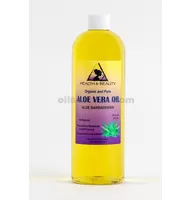
Aloe is a medicinal plant whose extract has a beneficial effect on the skin. This flower is one of the main ingredients of cosmetics for sensitive skin. In addition, almost every manufacturer of personal care products in the range must have some kind of aloe vera product or even a whole line of such products. Indeed, in addition to the calming effect on the epidermis, the jelly-like pulp of the leaves of this plant softens, heals, promotes regeneration, and so on. But where does the oil come from? After all, if you have ever dealt with aloe, then, of course, you noticed that the inside of its leaves is by no means an oily structure. Let's figure it out together.
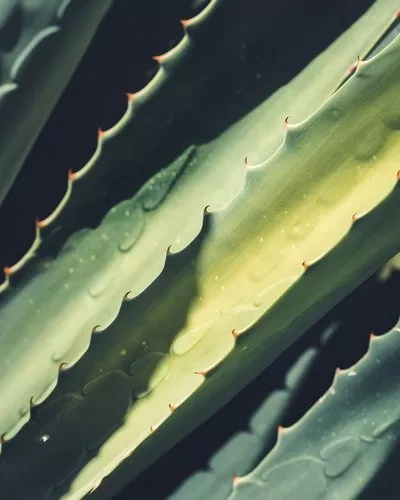
What is aloe good for?
Aloe leaf extract is a storehouse of amino acids and
minerals - calcium, iron, magnesium, sodium, potassium. In addition, the plant
contains vitamins A, E, C, B1, B2, B6, as well as folic and salicylic acids. An
impressive list, right? That is why aloe is used in the cosmetic industry, in
traditional and traditional medicine. And cooked oil from a medicinal flower is
even consumed. For example, aloe and olive oil are a healthy and tasty salad
dressing.
Properties of aloe oil:
- Anti-inflammatory and antibacterial. Aloe helps pimples
drag out faster, but provided that the base oil is selected correctly. If you
have oily skin, then choose olive, almond oil, as well as jojoba or grape seed
oil as the base.
- Antioxidant. Aloe protects cells from the effects of free
radicals.
- Moisturizing. Aloe vera gel in this case significantly
loses to the oil, because there is no lipid component in it. And the fatty base
retains moisture in the cells, covering it with a “film”.
- Sunscreen.
- Antiviral.
How to make aloe oil?
On the Internet there are many master classes on cooking
aloe oil. All of them are very similar to each other. An extract from aloe
leaves is added to any base oil, without first removing them from excess fluid.
And since the pulp of a plant practically consists of water, all this creates a
potential environment for the reproduction of bacteria.
Another recipe option is to add the finished industrial aloe
vera gel to the oil. This is a safe and easy way. But in this case, the liquid
and oily structure cannot mix enough, so there is a need to add an emulsifier.
That does not really affect cosmetic goals, but such an oil will not work as a
dietary supplement.
The ideal way out in this situation is to add dried leaves
to the base. When insisted in this way, the oil is fragrant and safe, and all
the beneficial properties of aloe are preserved.
You'll need:
- aloe leaves
- base oil (olive, coconut, jojoba, almond, shea, grape
seed, peach or sunflower)
The way to create aloe oil at home:
- Collect and rinse aloe leaves.
- Cut each sheet lengthwise into two halves. Place the
knife blade at the base of the sheet. Then drive it to the tip so that the tip
glides inside the gel-like substance.
- Dry the aloe.
- If you have a dehydrator (dryer for vegetables, fruits),
then simply chop the leaves and send them to it. This will be the fastest
option.
- If you do not have such an appliance, then use an oven.
Lay out the halves of the aloe on a baking sheet lined with parchment and send
it to the oven at the lowest possible temperature (30-40 degrees). In this
case, the oil raw material dries in 3-5 hours.
- The longest method is natural drying. We take a tray (or
something else), cover it with parchment and put aloe on it. We send the
structure to a warm and dry place and wait a few days.
- Dry the leaves to complete brittleness. Checking readiness
is easy: plant strips should be brittle, not flexible.
- Take a clean glass jar with a lid. Fill it with dry
leaves. Then add the base oil so that it completely covers the dry raw materials.
- Leave the mixture to infuse for several weeks in a warm
place.
- When the oil is ready, it must be filtered through
cheesecloth and poured into storage bottles.
- Done!
How to use aloe oil?
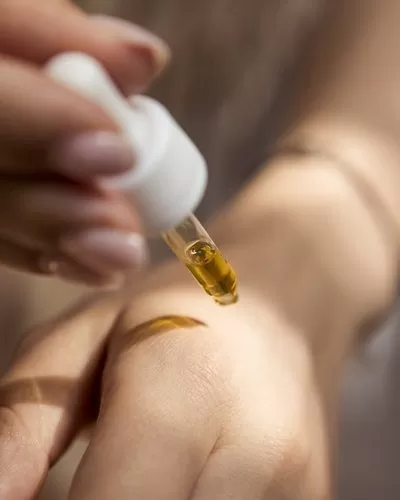
Skin care
- Enrichment of creams, lotions and other cosmetics
Add a few drops of aloe oil to the cream for the body or
face, and you will get a more powerful care product.
- After sunblock
Aloe will help soften and soothe the skin injured by the
sun. Simply distribute oil on the body or face and wait until completely absorbed.
- Skin care product in winter
The effect of cold on the epidermis is very similar to a
sunburn. Face and hands become dry, tightened, peeling. Aloe helps remove all
these winter "troubles." Use oil as a mask before going to bed, after
cleansing your face from makeup, and you can never wash off a useful emulsion
from your hands. Especially if you have coconut oil, it is quickly absorbed and
leaves no sticky residue.
- Wound Healer
Aloe helps the skin cope with cuts, wounds. Inflammation and
restoration of the integrity of the skin occurs faster. In addition, this oil
strengthens the collagen structure in the tissues, helping the epidermis heal
without scars and scars. And aloe soothes pain.
- Anti-wrinkle
If the base oil is “heavy”, then use aloe as a mask several
times a week. Apply it for half an hour or an hour, and then rinse with warm
water and a foam or other cleanser.
If the base has a light structure and is quickly absorbed, then
simply replace the usual night cream with oil several times a week.
Hair care

- Mask for dry scalp, growth and hair loss
Apply aloe oil to the hair, pay special attention to the
scalp. Do a light massage of the root zone. Put on a shower cap or wrap the
strands in a towel. Wait an hour and rinse off the mask with the usual set of
products (shampoo, balm). Repeat the procedure several times a week.
This mask can be done for women with any type of hair to
prevent hair loss and make the curls shine.
- Enrichment of the conditioner, hair balm.
Add a little aloe oil to your regular conditioner and you
will get an even more wholesome, emollient and caring product.
But this, of course, is not all options for using aloe oil.
Many people are happy to take it inside as a vitamin supplement, smear insect
bites, relieve inflammation and itching, and are also used in aromatherapy.
Photos
12/05/2019 10:55:28
Comments:0
Views:3735
Comments