$0,00
CheckoutHow To Make Antiseptic At Home?
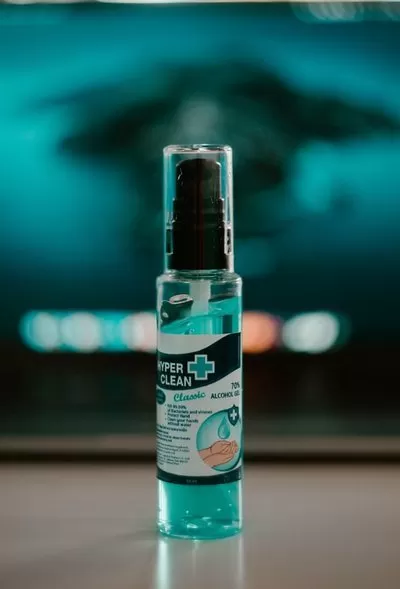
Antiseptic substances disrupt the normal course of biochemical processes in microbes due to the inhibition of the activity of individual enzyme systems. This creates adverse conditions for the development and reproduction of microorganisms. This type of action of antimicrobials is called bacteriostatic. Since different types of microbes have different deschotic exchange processes, substances that cause bacteriostatic action on one type of microbe may be inactive against another species. Thus, antiseptics have a selective effect on particular types of microbes. Antiseptics are used mainly for local action on germs that are found on the skin and mucous membranes.
Disinfectants are those substances that kill microorganisms. Disinfectants cause irreversible changes in the cell's protoplasm (protein denaturation) and thus lead to the rapid death of germs. This type of action of antimicrobial substances is called bactericidal. Substances that have a bactericidal effect do not have a pronounced selective effect against certain types of microbes.
Disinfectants are used to destroy pathogenic microbes in the environment, ie for the purpose of disinfection, which is an important component in the complex of measures for the prevention of infectious diseases.
General requirements for antiseptics and disinfectants
- High antimicrobial activity, a wide range of action against various forms of microorganisms.
- Non-toxic to humans and animals.
- Effect rate and duration of antimicrobial action.
- Good solubility and surface activity.
- Good efficiency in the presence of organic matter.
- Cheap way to get.
- Do not harm items that are disinfected.
How to use an antiseptic?
- Choose an antiseptic that contains 60-80% alcohol or 2% chlorhexidine.
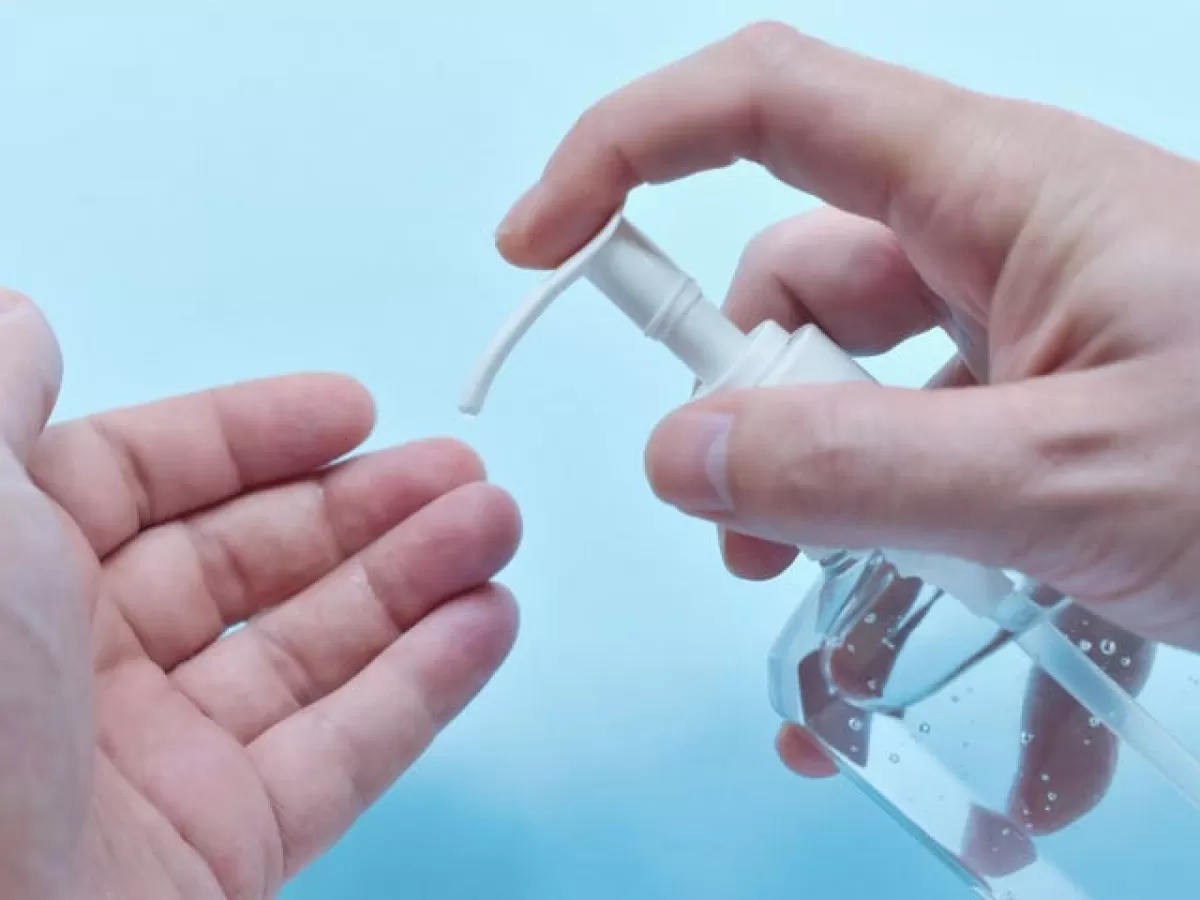
- The antiseptic should cover the entire surface of the skin of the hands. To do this, use 3 ml of solution. Pour at least 3 ml into your hands. By the way, the right amount of antiseptic is usually indicated in the product instructions.
- Hand treatment should take at least 30 seconds. This is really important, otherwise dangerous germs can survive.
- A lot of dirt is collected under the nails, so special care should be taken to clean them.
- If you use antiseptic frequently, use hand cream to avoid drying and skin cracks.
- Keep the antiseptic away from young children. These cute jars are very attractive to baby, but the alcohol that is in the antiseptic is very toxic.
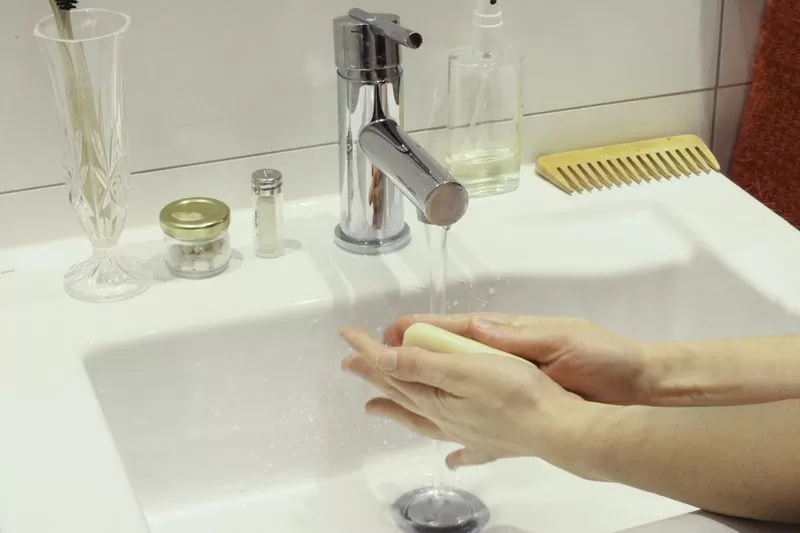
Alcohol-based antiseptics can quickly reduce the number of germs on hand in some situations, but they are not a panacea for all types of germs. To remove some of them, good old soap and water are more effective. So do not neglect these types of hygiene, if available. Especially prefer soap and water if:
- Hands are noticeably dirty or oily.
- Hazardous chemicals, pesticides and heavy metals have come into the skin.
Recipes for making antiseptic
Supermarkets and drugstore shelves are empty for antiseptics, and someone is selling three times as much. Therefore, we recommend that you do the antiseptic yourself. Don't worry, the ingredients are available for everyone and you can buy them at any pharmacy. Here are some effective recipes for home cooking.
Recipe # 1
So, to prepare an antiseptic, you will need:
- 96% ethyl alcohol (833 ml)
- Hydrogen peroxide 3% (42 ml)
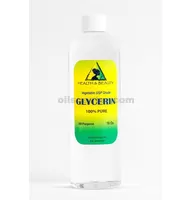
- Glycerin 98% (15 ml)
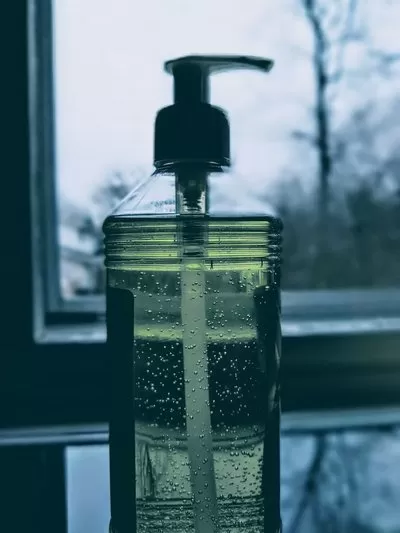
Alcohol, which is intended for the manufacture of antiseptic, pour in the container to the graduated mark. Then add hydrogen peroxide and glycerol. Use a measuring container for this purpose.
Then add some distilled or just boiled water. To prevent evaporation, immediately close the container with an antiseptic lid or cap. It is better to mix the solution and then pour it into small containers that will be convenient to carry. Finished sealed bottles should be postponed for 72 hours. In these three days, bacterial spores that may have been in the dishes or in alcohol will die and the antiseptic will fully fulfill its function
Recipe # 2
There is another easy recipe for how to prepare an antiseptic at home.
- Medical alcohol 90% (50 ml)
- Glycerin (30 ml)
- Essential oil (orange, vanilla, peppermint)
Thoroughly mix all the components and pour into a container that is comfortable to carry. Antiseptic essential oil will kill the sharp smell of alcohol, so choose your own taste.
All components are listed in proportion. The specified amount will produce about 85-90 ml of antiseptic.
Recipe # 3
- Alcohol (3 parts)
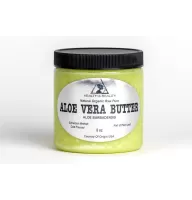
- Aloe Vera Gel (1 part)
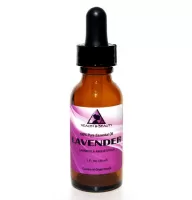
- Essential oil
Mix all the ingredients together and pour into the desired container. By the way, some oils have antimicrobial activity against viruses, so you can choose lavender, thyme, tea tree, eucalyptus or your favorite. The components are specified in proportion. For example, 30 ml of alcohol + 10 ml of aloe vera gel + a couple of drops of essential oil. This amount is enough for a regular bottle (50 ml) with antiseptic.

Photos
04/02/2020 15:46:05
Comments:0
Views:1348
Comments