$0.00
CheckoutHow to make DIY liquid castile soap?
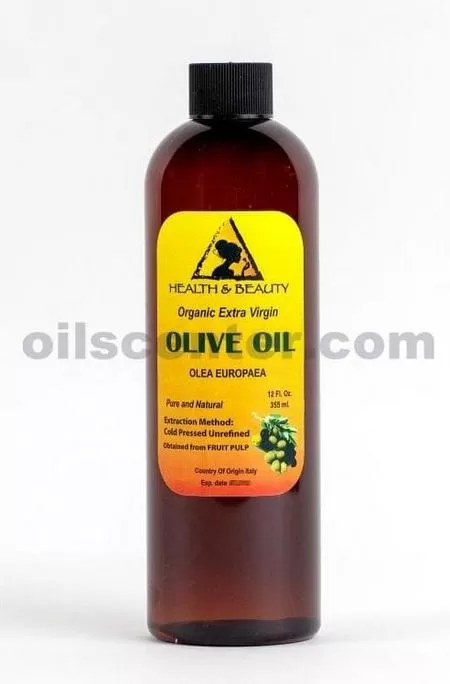 Making soap is an exciting process. Plus, it's budget-friendly. But most importantly, you can experiment with the ingredients to your liking and desire. But, as in any hobby, soap making has its own nuances, which can only be learned empirically. However, despite the considerable time spent, this recipe is quite simple. Even a beginner can make liquid Castile soap with your own hands.
What is Castile Soap?
Castile (Spanish) soap is a natural detergent based on olive oil. Spanish soap has many uses in everyday life and in skin care. But the problem is that it is quite difficult to buy this soap at any local store. So why not make your own liquid castile soap? It's very exciting after all.
However, the cooking process must be carried out in a safe manner. It is advisable to mix all the ingredients outdoors or indoors with good ventilation. Hand gloves and goggles are also required.
Liquid Castile Soap Recipe
You'll need:
- Kitchen scales for weighing components, blender for mixing
- 185 grams (6.52 ounces) KOH (potassium hydroxide or E525 in the food industry). Potassium hydroxide powder can be purchased at a soap supply store. Attention! KOH crystals can cause burns if they come into contact with the skin. Therefore, when working with hydroxide, gloves and glasses are required (just in case, to protect the eyes)
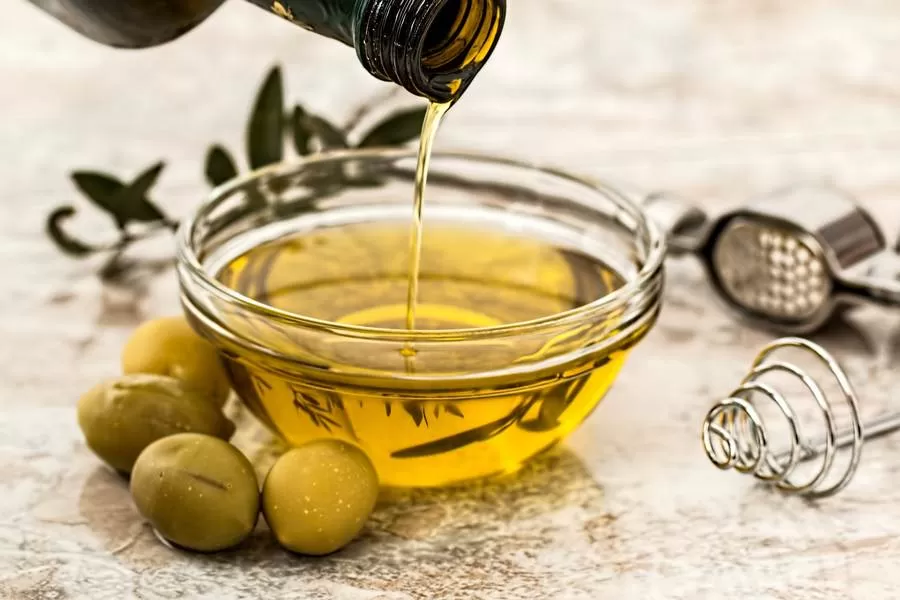
- 906 grams of olive oil (32 ounces)
- 327 grams of water (11.55 ounces)
- 226 grams of glycerin (8 ounces)
Process:
- First, we need to prepare a soap paste (concentrate), from which we can then make a lot of liquid soap.
- Start slowly heating the olive oil on the stove or in a slow cooker. Do not bring to a boil.
- While the oil is heating, mix the glycerin and water in a separate bowl. Measure out the correct amount of potassium hydroxide.
- Add hydroxide to glycerin water and mix. It is advisable to perform this item on the street. Immediately after the introduction of KOH, the solution becomes cloudy, but then brightens.
- Carefully add a solution of water, glycerin and potassium into the oil.
- Using a blender, mix the future soap paste until smooth (the substance should look like a pudding with translucent stripes). During the mixing step, the mixture may become gritty. This is normal. Continue to work with the blender.
- Remove the emulsion from the plate. Leave the paste to sit for 3-4 hours. But every half hour it will need to be stirred a little with a wooden spoon or spatula.
- You can check the readiness of the paste for liquid soap as follows. Take some of the finished mixture and dip it in clean water. Stir. If the emulsion is well dissolved, then the soap concentrate is ready.
- Transfer the paste to a container with a screw cap and store out of direct sunlight.
Nuances:
- Why do we make concentrate and not soap all at once? This method significantly extends the shelf life and saves time. At any time, you can dilute the base to the finished product without complicated manipulations. And if this option does not suit you, then you can simply reduce the amount of ingredients proportionally by two or three times. And after preparing the concentrate, immediately turn it into a finished product.
- In winter, the paste may thicken and become cloudy during storage. This does not affect the properties of soap.
- This recipe does not use thickeners. Therefore, it is possible that homemade soap will be strikingly different in consistency from an industrial product. But they are the same in properties. Handmade Castile soap - not so thick, but it does its job by five points.
How to dilute the soap paste until ready to use?
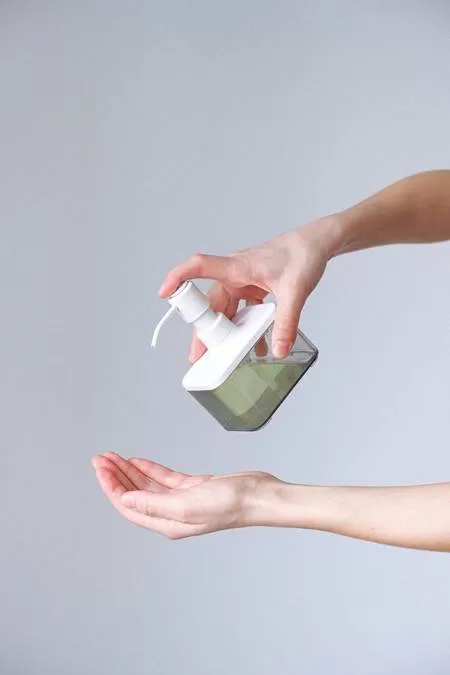
The paste is most often diluted in a 1: 1 ratio with water (preferably distilled). But there are several ways for this: cold long and hot fast.
Cold way
Fill the container you will be using with half paste, half water. Shake the bottle several times and leave it in a dark place for several days. The container can be shaken several times a day so that all components are mixed evenly.
Hot way
Heat the correct amount of clean water on the stove to a boil. Remove the pan from heat and after a couple of minutes add the soap concentrate to the water. Stir until the emulsion is smooth. Leave to cool. The liquid soap is ready to use.
If you want to prepare soap immediately after boiling the concentrate, then boil the water separately, let it cool for two to three minutes and pour it into a saucepan with paste (the proportions are the same - 1: 1). Mix until smooth. Done!
If the mixture of paste and water dissolves poorly (in any of the described methods), then try to additionally heat it over low heat.
Homemade skin care products offer many advantages over commercial products. It is easy to experiment with them, adding to the mixture, for example, essential oils or herbal decoctions.
Photos
09/23/2020 06:01:04
Comments:0
Views:540
Comments