$0.00
CheckoutLet's talk about the causes and treatment of dry heels
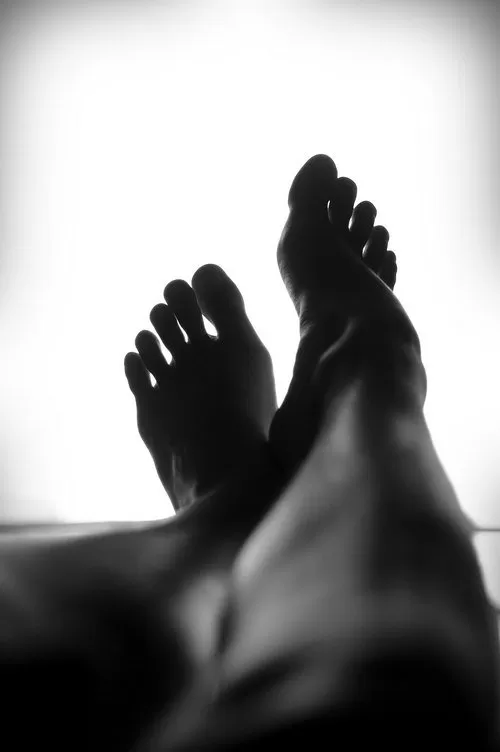 We take care of the skin of the body, we, and even then not all, pay some attention to the feet; however, the heels require attention especially often, but usually receive less attention than they should. But then "troubles" appear, such as dry heels, keratinization of the skin, cracks, corns, dry calluses and even fungus - is it worth it before that? It is better to "work on the heels" in advance, and not to allow them to dry out and the appearance of serious problems. Even if the heels have already begun to dry, they can return softness and tenderness, but the cause of the dry heels must be found out without fail.
Now we will talk about why the heels become dry, what to do in THESE cases, and of course, we will give the most effective folk recipes for treatment.
What are the causes of dry heels
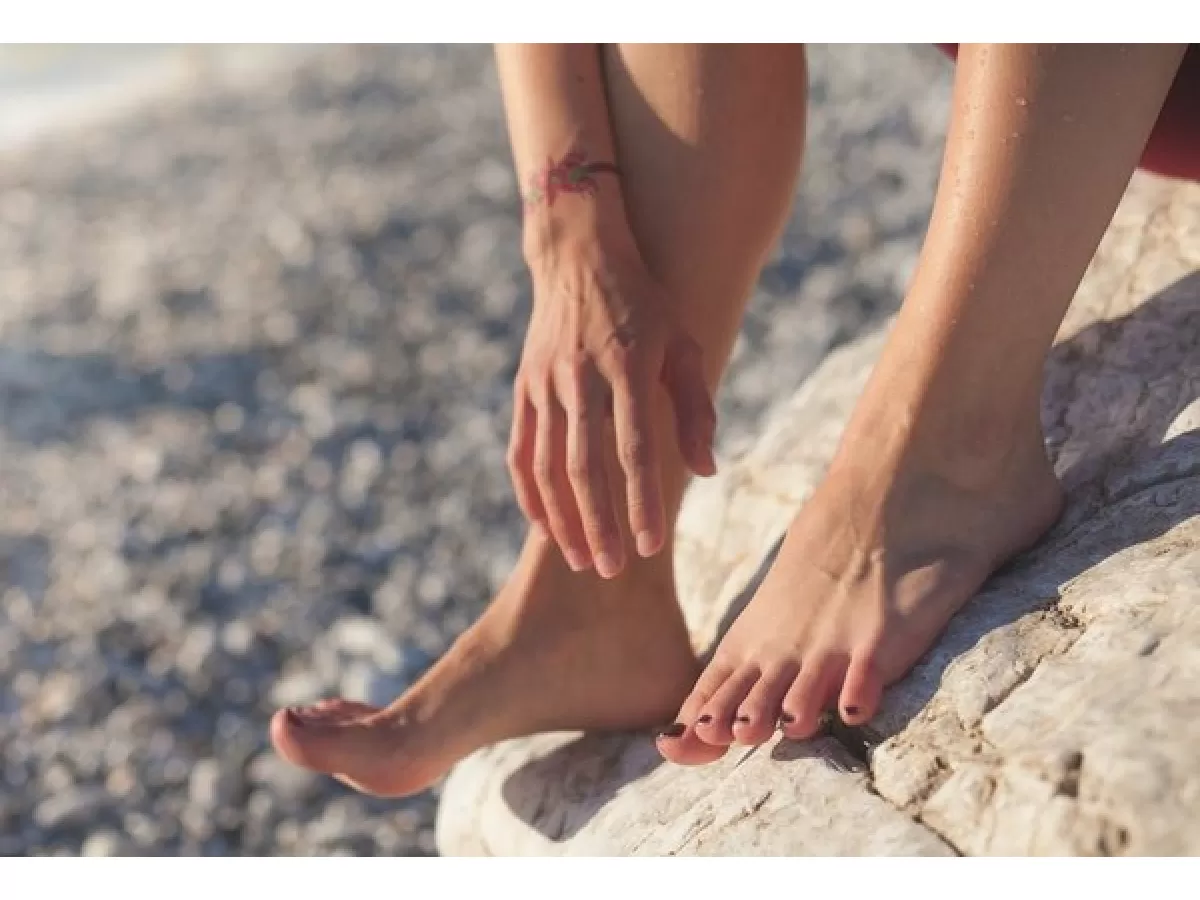
The heels can get dry at any time. In winter, we wear warm boots, and even put on tights - it is clear that these are synthetics - and warm socks are also not always made of natural materials. In summer, on the contrary, we wear sandals - often with high heels - sandals, flip flops, or tight shoes to make the leg seem "neat"; we walk on the heated sand and lie on the beach, forgetting to smear the heels with cream from all parts of the body.
Water dries the skin of the heels
For some reason, we do not pay attention to the fact that water dries the skin of the heels very much. After taking a bath or shower, we also often forget to lubricate our heels, especially in the evening, before going to bed - we want to sleep, or in the morning - we need to go to work as soon as possible. And also, thanks to advertising, women began to use antibacterial soaps more often; We wash ourselves with chlorinated water, and even hot water, and all bacterial protection is washed off the skin along with impurities.
Health disorders
Dry skin on the legs, and on the heels in particular, can also be explained by disorders in the circulatory system, and not only after 40-45 years; By the way, at this age, women who take care of their health know how to keep their heels in order - do not attribute it to age. Why is blood circulation impaired? There are many reasons, but the hygiene of the clothes is not the last. In addition to tight or even "shaping" tights and underwear, women also wear corsets, slip-on jeans, and other clothes in which the figure looks more spectacular, and the body suffers.
As a result, not only the skin on the heels dries, but also varicose veins and other diseases develop: if the blood flow and water balance throughout the body are disturbed, the cardiovascular system suffers overload, and the heels have a bad time. And no one is going to give them rest - we spend all days, if not on our feet, then in shoes for sure.
Insufficient heel care
Poor or no grooming completes the work, and the skin of the heels coarsens, thickens and becomes covered with small cracks. This happens quickly: it is worth delaying a few days, and a thick stratum corneum forms on the heels (first along the edges), and the cracks deepen. Many women still try to cut off the skin with a razor or actively rub their heels with a pumice stone, and the situation worsens even faster.
Excessive stress on the legs
Excess body weight brings a lot of harm to long-suffering heels: this problem is urgent today for most Russian women. I would like to believe that this is not so, but there are figures: a few years ago the Institute of Nutrition of the Russian Academy of Medical Sciences said that 60% of women in Russia are overweight; men were “lucky” - only half of them are so far.
Residents of cities are at risk, namely, women in cities wear high-heeled shoes, not paying attention to their weight, and even justifying it by saying that "you look slimmer."
More serious reasons
With similar reasons for dry heels, it is easy to "figure it out" on your own: just change your lifestyle, learning to treat yourself with more care and love. However, the cause of dry heels can be a variety of diseases, and not only skin infections, fungus, eczema or psoriasis, but also varicose veins - as a result of circulatory disorders; or hypovitaminosis, diabetes, disorders in the thyroid gland, genitourinary system, or even incipient autoimmune diseases that are dangerous to health and life.
Therefore, the consultation of a specialist - a dermatologist is a necessity: undergo an examination, and if there are no serious pathologies, use home or professional procedures and means for the feet - as it turns out.
What to do if your heels get dry
The heel is part of the foot. Therefore, any salon procedures for the feet will have the most beneficial effect on the condition of the heels, and dryness will disappear - with a reasonable approach, forever.
Dry feet massage
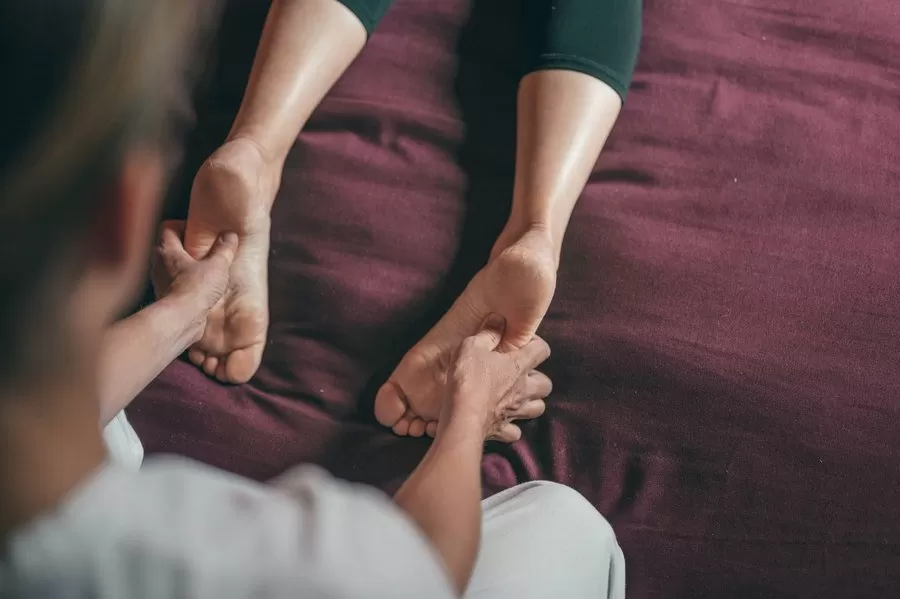
A wonderful wellness treatment for dry heels - Thai massage. It is safe and effective: from such a massage all bioactive points on the feet "wake up and come to life", blood circulation accelerates, edema disappears - of course, this is of great benefit to the heels.
Salon paraffin therapy also removes dryness, softness and tenderness return to the heels. For dry and sensitive skin, the procedure is especially indicated: the feet are relaxed, lymph and blood flow improves.
Features of a pedicure
With pronounced dry heels, a pedicure with fruit acids helps well: the skin is deeply moisturized, the pH level is normalized; the procedure is called gentle, but effective.
SPA-pedicure is already a whole complex of procedures, which includes massage and paraffin therapy, the use of scrubs and masks with different "life-giving" components: oils, plant extracts, therapeutic mud, thermal water, etc.
Hot pedicure with oils is done in salons without water, treating feet with apparatus and hand tools. The most useful and nourishing cosmetic and essential oils that soften the skin well are used: jojoba, peach, almond, etc.
Aqua peeling for dry heels
In order to treat dry heels, the aqua peeling procedure is now gaining popularity. On clean feet, a lotion is applied that cleans the skin very deeply and removes the most "stubborn" impurities. Then the specialist works with the help of professional equipment, gradually treating the feet with air supplied under pressure and mixed with active substances.
The procedure is very similar to an intensive massage; if carbon dioxide - carbon dioxide - is used instead of ordinary air, the effect will be noticeably enhanced. The result is visible immediately after the procedure: the feet - including the heels - become clean, soft and smooth. If there are no noticeable cracks or large calluses, it is sufficient to do aqua peeling twice a year.
In a cosmetic store or pharmacy, you can buy an aqua peeling kit and take care of dry heels at home. This is a cream, a solution and a special spatula to remove the softened layers of the skin.
Treatment with folk remedies
 The best baths for dry heels
Red wine baths are highly praised. For 2 liters of warm water - 0.5 liters of wine, hold the feet for 20 minutes. After several procedures, the dryness disappears.
If the heels are dry, then most often women turn to foot baths based on medicinal plants - sage, wormwood, yarrow, hops, chamomile, etc. If there are no open cracks in the heels, you can use sea salt for baths and scrubs, but after any procedures it is necessary to apply a nourishing cream to the skin.
Dry heel masks
There are many masks for moisturizing and nourishing the skin of the feet.
A mask with potatoes and flaxseed is considered effective for dry heels. Grated potatoes are mixed with seeds 1: 1, and cooked over low heat, in a small amount of water until sour cream is thick. The mixture is applied to the heels hot - so that it does not burn, and covered with cling film. After 20 minutes, wash off with warm water and carefully remove the softened layer of skin with a fine pumice stone.
Milk and onion mask. Onion gruel is mixed with a small amount of milk and applied to dry heels overnight.
Photos
06/03/2021 07:12:15
Comments:0
Views:881
Comments