$0.00
CheckoutNatural soap: gentle cleansing and skin care
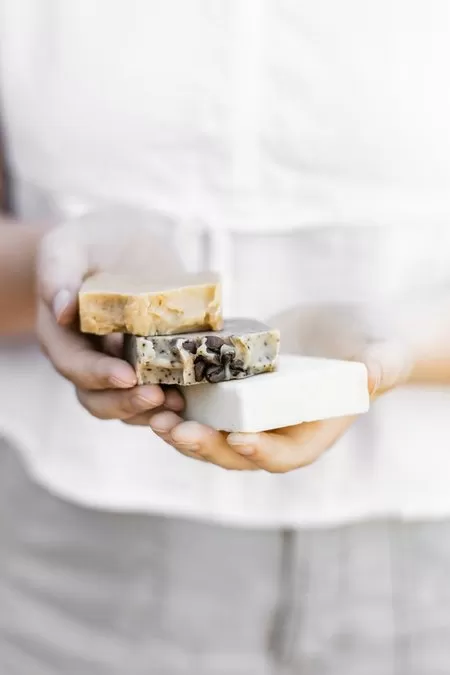 Soap based on natural ingredients, and even more so
handmade, is most often perceived as an impractical luxury: you can wash
yourself “until it squeaks” even with ordinary soap from the supermarket five
times cheaper, why spend money? That is why natural fragrant soap has a
reputation as a good gift: it is quite exquisite and beautiful, but at the same
time it is not a trinket, but a useful thing. Meanwhile, the funny thing is
that initially natural soap is created as a functional and even universal
cosmetic product, and even its aromatic and decorative properties are rather a
by-product.
Soap based on natural ingredients, and even more so
handmade, is most often perceived as an impractical luxury: you can wash
yourself “until it squeaks” even with ordinary soap from the supermarket five
times cheaper, why spend money? That is why natural fragrant soap has a
reputation as a good gift: it is quite exquisite and beautiful, but at the same
time it is not a trinket, but a useful thing. Meanwhile, the funny thing is
that initially natural soap is created as a functional and even universal
cosmetic product, and even its aromatic and decorative properties are rather a
by-product.
Conventional soap based on synthetic ingredients has only one function: it should wash well (read: clean) - and at the same time cost as little as possible, and not contain any overly expensive ingredients. As a result, such a soap copes well with microbes and dirt, but at the same time it removes the natural protective film on the skin and also dries it out. Hence the contradictory recommendations: on the one hand, it is recommended to wash your hands often, after each contact with everything in the world - from the handrail in the subway to your pet, you also need to take a shower at least once a day, soaping, if not entirely, then at least partially. On the other hand, too frequent washing with soap is declared a common cause of dry skin, early covered with fine wrinkles. And it is not clear what kind of sacrifice to make: to risk health, neglecting soap, or beauty, overdoing it.
Natural soap is another matter entirely.
The exclusively natural ingredients in the composition are
both the reason for the relatively high price and the absence of harm to the
skin. Such soap does not dry out and does not destroy its own protective film,
cleans gently. In addition to the main purpose - to wash it clean - natural
soap has one more, namely skin care. What kind of care depends on the
composition of the soap: moisturizing, nourishing, removing irritations and
inflammations, matting, drying pimples, healing microtraumas, softening, etc.
As a result, using natural soap, you kill two birds with one stone: get rid of
impurities and bacteria, and also soften the skin, heal it, delay aging, and
protect it from drying out. This versatility and completeness of care is the
reason why you should prefer natural soap, despite the relatively high price.
We use soap all the time, and its effects on the skin are simply doomed to accumulate. If the soap dries, then sooner or later, hand and body creams will stop saving; if soap, on the contrary, cares, protects, moisturizes, then your skin will eventually look - and feel - much better, healthier, more velvety, elastic and tender.
What components of the soap give such a positive effect?
First of all, we are talking about replacing the harmful cleaning "chemistry" with saponified vegetable oils - olive, castor, coconut, palm and other oils are most often used. They wash well, but do not dry or harm. Oils are included in the composition of soap and in its original form: their type and volume depends on the purpose of the soap. Oils of almond, laurel, shea, peach kernel, cedar and others give the soap special nourishing and caring properties; it is thanks to them in the composition of the soap that the skin after washing is soft, delicate and pleasant to the touch. If additional cleansing and the effect of beneficial minerals on the skin is required, components such as cosmetic clay (white, green, blue, Ghassoul, etc.) and sea salt may appear in the composition.
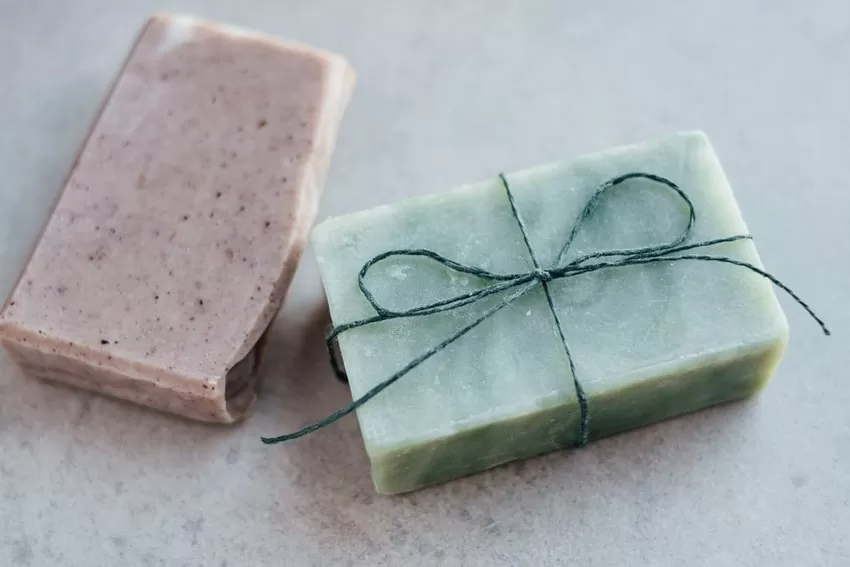
But the content of plant extracts and essential oils is a
field of especially free creativity for a soap manufacturer. Extracts and
essential oils simultaneously improve the properties of the soap and give it a
unique aroma, shade, even texture. Soap with essential oils of orange and
cinnamon will smell of cozy Christmas evenings and citrus tea, soap with
crushed herbs will have a greenish color, a slight scrub effect and a summer
field scent. Since truly natural soap (unlike ordinary soap with the addition
of a couple of herbal ingredients) does not contain synthetic components, its
aroma and shade are always natural, pleasant, unobtrusive. This is especially
felt in the aroma: the smell obtained as a result of the addition of essential
oils, on the one hand, does not last long on the skin after washing off the
foam, on the other hand, it has subtle natural notes.
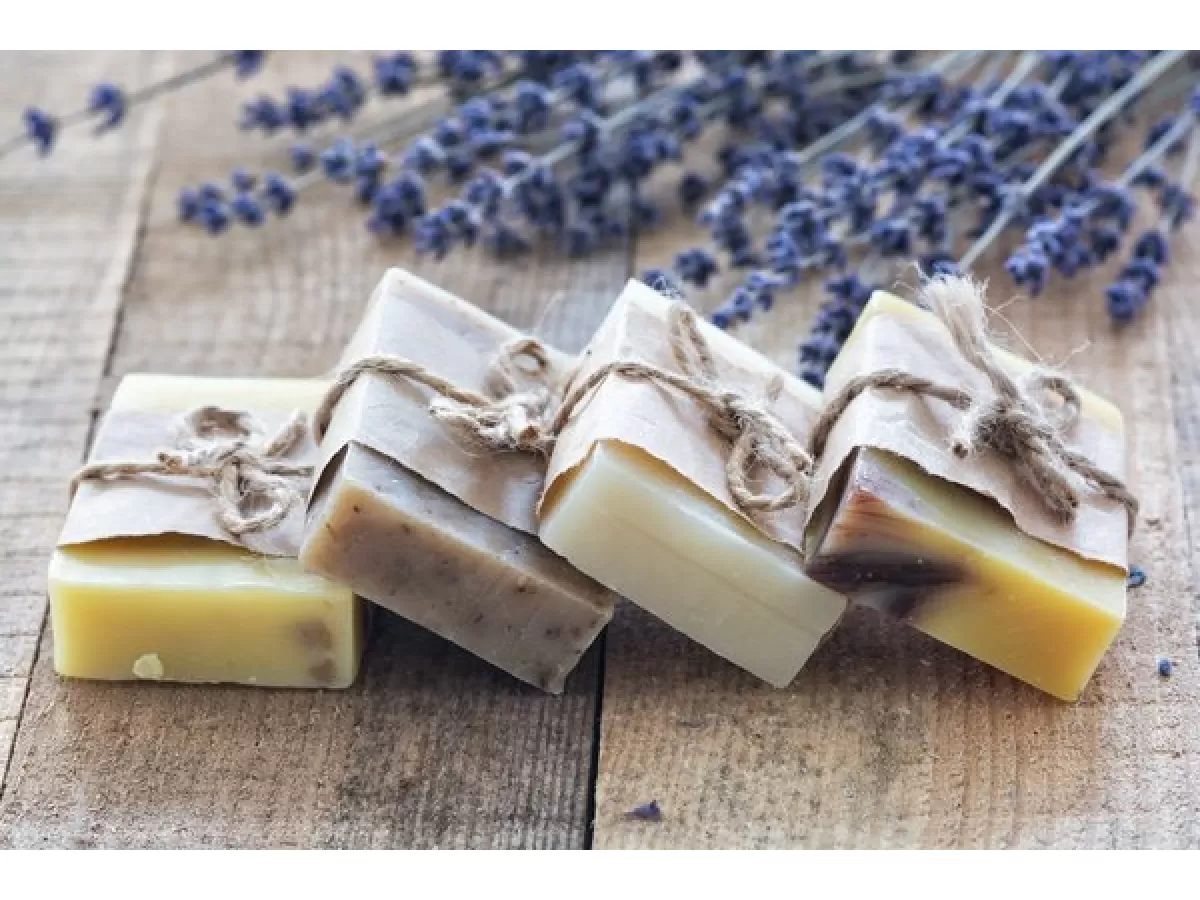
Also in natural soap you can find unexpected, exotic,
decorative components. For example, ground coffee (this soap will have
exfoliating properties), silk peptides, beer, dried flowers, etc. Each of these
ingredients can be used both as a decorative additive and as an active
ingredient.
Photos
12/28/2020 05:33:13
Comments:0
Views:497
Comments