$0.00
CheckoutWhite clay in natural cosmetics
 Some natural ingredients are more likely than others to appear in natural formulations, and this is due to their beneficial properties, which are manifested very widely and universally. These components include sea salt, zeolite, some plant extracts such as sage or chamomile, as well as white clay or kaolin. Due to its mineral composition and high compatibility with other substances, white clay is used both as a solo component in natural cosmetics, as a binder additive, and as a full partner of other active ingredients. If you look closely at the compositions of the cosmetics you buy, you probably often come across the word "kaolin" among the top three ingredients. Why is white clay so useful and how can it be used in combination with other natural ingredients?
Characteristics of white clay
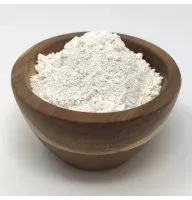
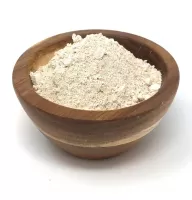
Cosmetic kaolin is a white (may have varying degrees of whiteness) fine powder, at the same time free-flowing and soft, even greasy to the touch. When mixed with water, it binds and turns into a viscous clay slurry, quite plastic in texture. Among the components of white clay, silicon is in the lead, but it also contains a lot of aluminum, zinc, magnesium, potassium, etc. This mineral composition determines the properties of kaolin, its effect on the skin, and other characteristics - sorption capacity, texture, binding with water - explain the breadth of application of white clay. Where can you find kaolin? In scrubs, tooth powders and pastes, creams, ointments, anti-cellulite wraps, powders, deodorants and, of course, face masks.
Properties
The two main cosmetic properties of white clay are deep cleansing and drying of the skin. Cleansing is realized due to the fact that kaolin is able to bind impurities, literally "pull" them out of the pores, to absorb everything that is not needed, and due to the fact that particles of white clay act as a soft scrub. All cosmetic clays have cleansing properties, but white is especially suitable for the care of oily skin, problematic, prone to inflammation, with enlarged pores, as well as mixed. As for drying, this effect is achieved not only in the process of deep cleansing, but also due to the antiseptic properties of kaolin: white clay works as an anti-inflammatory agent that soothes, relieves irritation and neutralizes bacteria. As a result, problem skin with increased oily and redness looks clean, taut, matte.
White clay also boasts other beneficial effects. Firstly, it whitens the skin and evens out the tone: for this you will have to go through a whole course of masks with white clay, but the result will be a more uniform and beautiful complexion, smoothing all sorts of spots, freckles, defects. Secondly, kaolin stimulates the production of collagen in the skin, and therefore rejuvenates the skin and helps it look younger. Thirdly, white clay gives a light lifting effect, smoothing wrinkles. Natural cosmetics with kaolin are suitable for sensitive skin; it is not recommended only for dehydrated and very dry, as it can aggravate the problem.
Kaolin also has an excellent effect on the skin of the body (therefore it is often included in mineral scrubs, biosalts for the body), in particular, it has a lifting effect and helps to fight cellulite. You can use white clay as an anti-cellulite remedy and solo as a wrap. To do this, mix it with water to a liquid slurry, add 4-5 drops of cinnamon and orange essential oil to one portion (50ml), apply the mixture to cleansed skin of problem areas, wrap them with cling film and leave for half an hour or an hour, and then rinse with warm water and apply toning cream. You can also apply this mixture as a mask for problem areas, making sure that it does not dry out completely, but during exposure (up to 45 minutes) remains slightly damp.
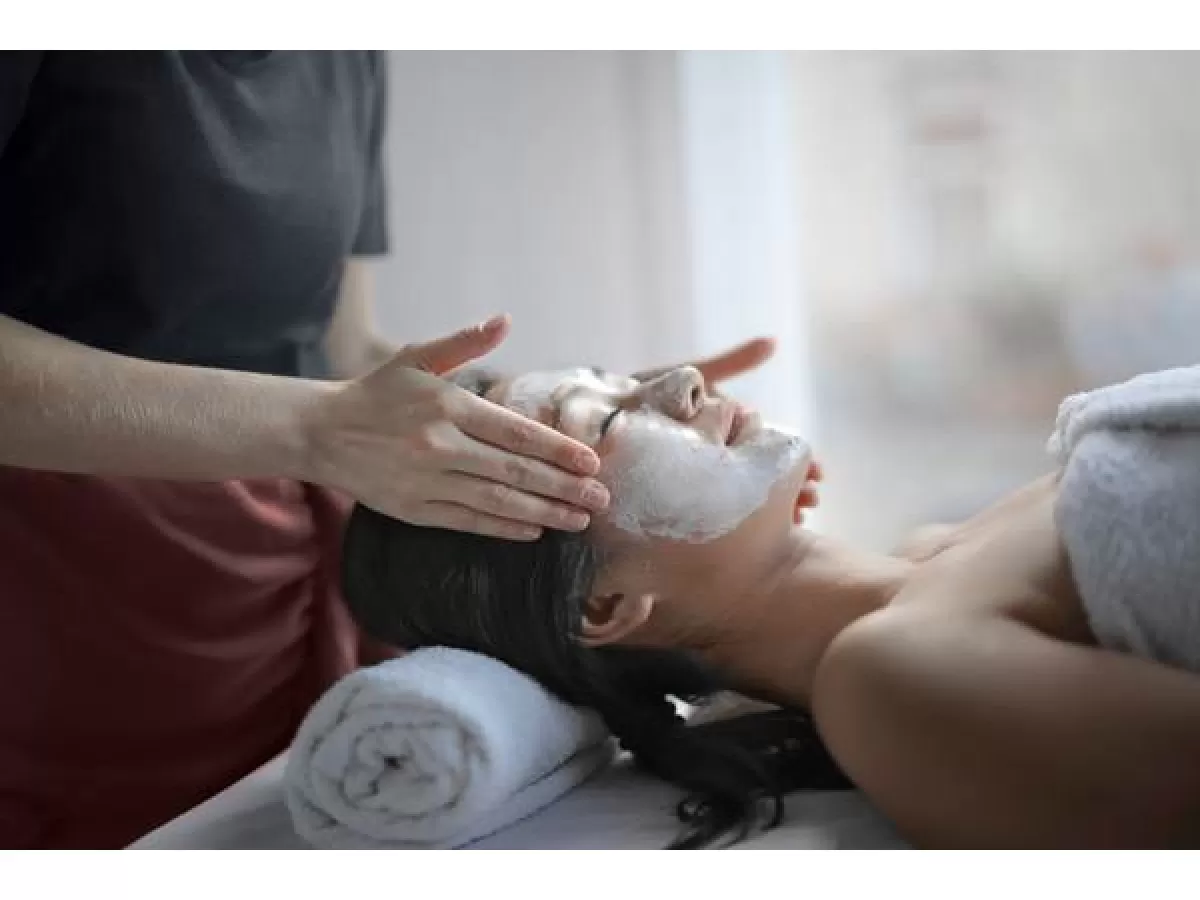
Due to the fact that kaolin has a light, but scrubbing effect (even if the clay is finely dispersed, rubbing with exfoliation still occurs during massage), soft cleansing, salts, peels and other natural products with white clay must be applied correctly. Be sure to follow the manufacturer's recommendations: if the product contains emollient components, for example, oils, and it itself is designed to remove dead skin cells, then massaging can be the right and necessary thing. And vice versa: if the effect of kaolin is not mitigated or even aggravated (the composition contains sea salt, zeolite, etc.), and the instruction recommends applying the product carefully, not rubbing or massaging, then it is better to follow this advice precisely so as not to damage skin. Suffice it to recall that white clay in the composition of tooth powders works as a soft abrasive that cleanses plaque. Although, of course, good cosmetic kaolin does not scratch and does not contain truly traumatic particles. The main thing is to use cosmetics with white clay correctly.
White clay face masks
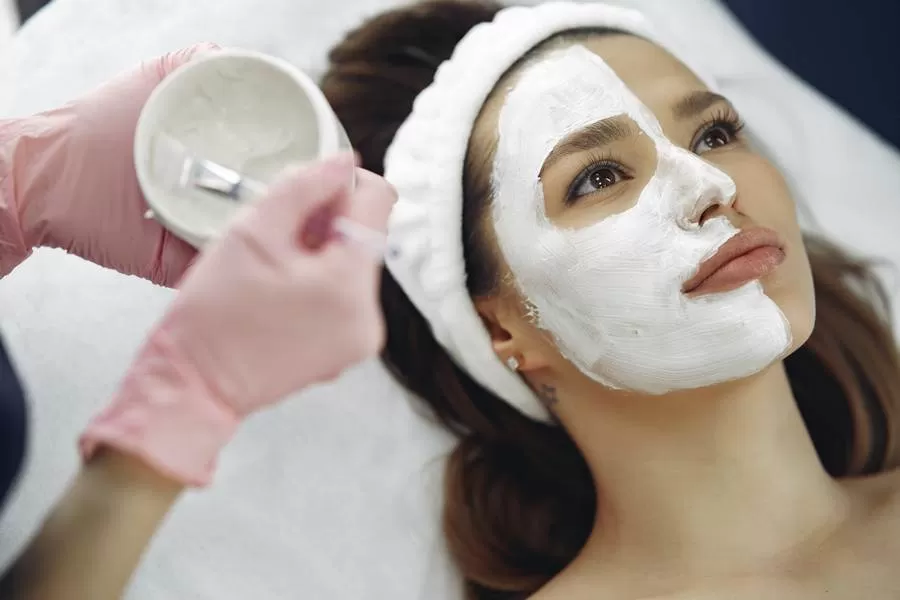
You can make masks with your own hands - and it's easy to do, however, it is worth combining this component with other natural ingredients that will soften its effect and increase its effectiveness. To prepare a mask, they usually take a high-quality pharmacy cosmetic white clay (necessarily finely dispersed and without doubtful additives), dilute it with water to a medium viscosity, and then add cosmetic and essential oils to it. The final effect depends on which oils you add, and the procedure itself is usually the same: you apply the mask in a thin layer on clean skin, avoiding the area around the eyes and lips, keep it for 15-40 minutes, periodically moisturizing with water or hydrolat from a spray bottle ( it is undesirable for the mask to dry completely), and wash off with warm water. After that, you can apply your regular moisturizer, or rub your skin with a soothing toner.

Important: while the clay mask is on your face, try not to talk, laugh or smile, not make a face. Drying clay tightens the skin, fixes it, and if the skin is not more or less motionless, extra wrinkles and even microcracks may appear in sensitive areas.
Softening mask for normal to combination skin
- White clay
- Sesame oil
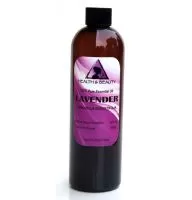
- Lavender essential oil
- Geranium essential oil
Lifting mask for smoothing wrinkles
- White clay
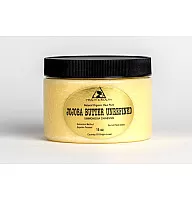
- Jojoba oil
- Neroli essential oil
- Palmarose essential oil
Normalizing mask for oily skin
- White clay
- Tamanu oil
- Almond oil
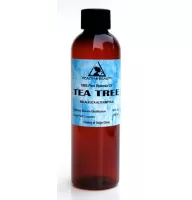
- Tea tree essential oil
- Lavender essential oil
Photos
01/20/2021 04:38:35
Comments:0
Views:919
Comments