$0.00
CheckoutWho are clay face masks for?
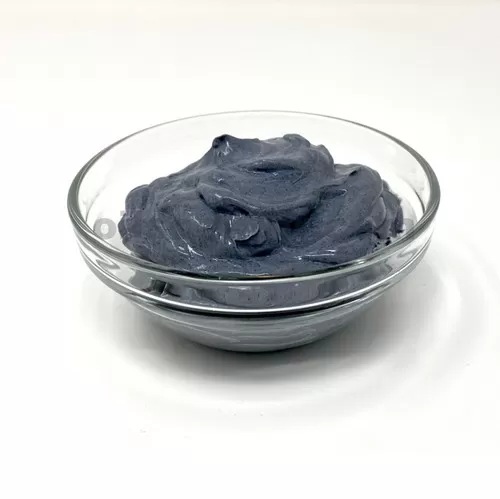 Go to any beauty store and your gaze will surely meet a couple of clay-based face masks, and even more likely to stumble upon pure cosmetic facial clay, which is sold at every turn - from supermarkets to pharmacies. Most likely, you will be pleased with the price of these masks, since clay is a very inexpensive and generally available component. But there is also a problem: you have probably heard that clay masks are suitable only for very oily skin, and dry skin is completely contraindicated. Is it so? Who are the masks based on cosmetic clay suitable for?
All the harm of clay masks is from improper use.
It would seem that using such masks is very simple, but in practice literally everything can go wrong:
- If used too often (more often 2 times a week), the clay really dries out, even oily skin.
- The "wrong" type of clay may be too active for your skin.
- When clay is applied to the skin around the eyes, a dry effect is ensured. And even peeling.
- If you apply a clay mask and do not wet it, let it dry "all the way", it will "crumple" the skin, tighten it and really harm it.
In general, you need to be careful with clay ...
But you shouldn't avoid it! Used properly, clay is a great cleanser that draws impurities and excess sebum from your skin. Clay perfectly mattifies, tightens pores, tightens the skin, refreshes and tones it.
For which skin are clay masks suitable, and for which - not at all?
Clay cleansing masks (those in which clay is in the 1-3rd place) are definitely good for oily, combination and normal skin. For dry and for normal, but prone to seasonal dryness, masks are suitable in which clay is not the main component, that is, it is included in the composition, but is not the base. Make sure that your skin type is specified in the manufacturer's recommendations! Owners of very, very dry and sensitive skin are better off staying away from clay masks. An important point: the most aggressive clay masks are mono (pure clay that you dilute on your own) and those that contain only clay with a small percentage of additives, for example, extracts.
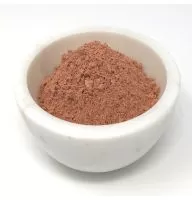
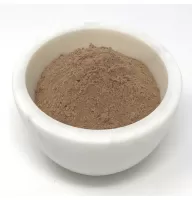
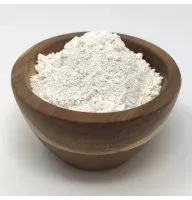
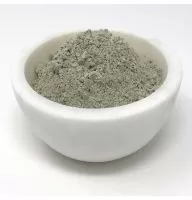
The type of clay also matters: blue and green clay are good for oily skin, pink - for dry, but white (kaolin) is considered the most universal and appears in the composition of masks for all skin types.
Why is a ready-made clay mask better than pure clay?
Of course, it is quite possible to use pure clay, diluting it yourself, adding oils and some of your additives to it. But in ready-made complex face masks, the clay is already balanced with softening, moisturizing and caring components, so the likelihood of "screwing up" is still less. Oils, aloe, gel components, and extracts are often used as balancing additives. By the way, they often prevent the mask from drying on the face too quickly.
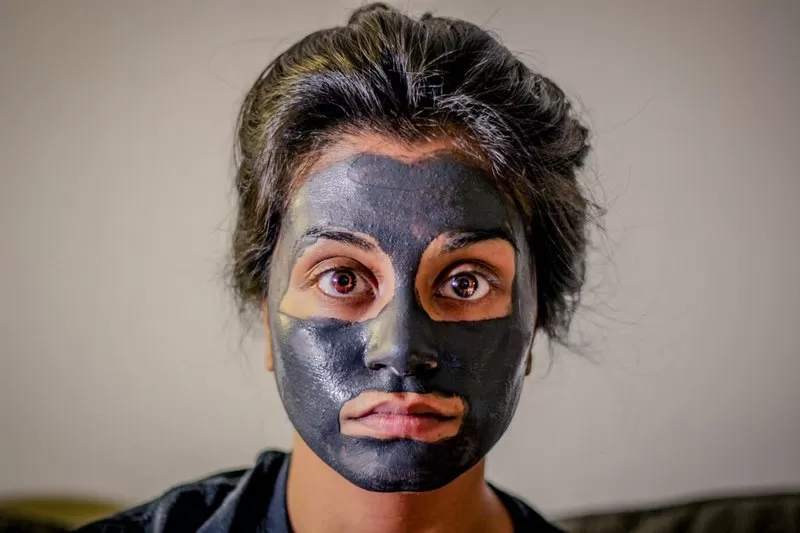
The 3 most important rules for using a clay mask:
- Do not let it dry out on your skin! Arm yourself with a hydrolat with a spray or just some water in a suitable bottle - and at the first signs of drying, generously irrigate your face with a mask, so that it remains moist and moist all the time.
- Do not apply the clay mask to the area around the eyes and lips, as well as to dry areas of the face. Before removing the mask, thoroughly moisten it with your palms, let it get wet, do not try to wash it off your face with a small amount of water.
- The ideal frequency of using such a mask is 1-2 times a week, not more often. It is important not to overdo it with clay masks.
Clay ghassoul: a special case
Ghassoul volcanic clay - you can recognize it by its earthy gray hue - is a special case in the cosmetic clay series. Its main feature is that it "lathers" slightly, becomes slightly slippery when mixed with water, does not scratch the skin, but gently washes it. By the way, this is why it has been used instead of soap for centuries.
Ghassoul clay can be used as a face mask: just mix it with water to the consistency of a thick cream (you can add a drop of cosmetic oil) and apply on cleansed skin, hold for 10-20 minutes and rinse with warm water. It also dries on the skin, so it needs to be moisturized in the process, don't forget. But even more often, ghassul clay is used precisely for washing, gently cleansing the skin. To do this, it - in a diluted creamy form - needs to be applied to damp skin, gently massage and rinse off, like ubtan, everything is very simple. It thoroughly cleanses and tightens the skin, so with its regular use, cleansing masks can not be used at all.
Photos
03/24/2021 02:26:32
Comments:0
Views:870
Comments