$0,00
CheckoutThe myth about problemlessness of natural cosmetics
 Most often, natural cosmetics are resorted to by people who
are literally exhausted with problem skin or hair and have not found a solution
in the vast segments of mass market or pharmacy cosmetics. Just because natural
cosmetics are often presented as the last resort and a kind of appeal to the
age-old folk wisdom, it is endowed with downright mythical and
"heroic" properties, which means that they expect from it not only
one hundred percent effectiveness, but also absolute hypoallergenicity, and the
fact that it will certainly "fit." Needless to say that there is no
perfect and suitable cosmetics for everyone?
Most often, natural cosmetics are resorted to by people who
are literally exhausted with problem skin or hair and have not found a solution
in the vast segments of mass market or pharmacy cosmetics. Just because natural
cosmetics are often presented as the last resort and a kind of appeal to the
age-old folk wisdom, it is endowed with downright mythical and
"heroic" properties, which means that they expect from it not only
one hundred percent effectiveness, but also absolute hypoallergenicity, and the
fact that it will certainly "fit." Needless to say that there is no
perfect and suitable cosmetics for everyone?
Naturalness is not equal to the absence of problems! Of
course, natural cosmetics saves from a lot: from overdried skin, from the
accumulation of negative effects due to the constant use of sulfates and
parabens, from weakness and fragility of hair. But natural remedies in most
cases are not a panacea, and besides, they themselves are quite capable of
causing little troubles, which most do not expect from cosmetics, whose recipe
was "used in antiquity." What problems can arise with natural
cosmetics?
Allergic reaction.
Contrary to popular belief, many natural ingredients (from
essential oils to honey and various plant extracts) can easily cause an
allergic reaction - from a relatively innocent reddening of the skin to severe
burning. Naturalness is not the same as hypoallergenic, so if you have already
suffered from allergic reactions or have sensitive skin, be careful and be sure
to test on the skin before using. The safest natural remedies in terms of
allergenicity are produced without the use of essential oils and those extracts
and pomace, as well as oils that are known for their ability to cause negative
reactions. If it is the hypoallergenicity of the product that is important to
you, look for the appropriate notes in the description or on the bottle,
without relying on false confidence in the "extra-mural"
hypoallergenicity of everything natural.
Wrong selection of products for skin or hair type.
You buy a natural shampoo or, say, a cream, try it - and
indignantly put it aside, announcing that, they say, you will never touch
"grandmother's remedies" again. Instead of the expected healing
effect, you see a greasy-looking shine or irritation or dry patches on your
face. What happened?
The first thing to think about is choosing the wrong product
for the type of skin or hair. There is a misconception that natural cosmetics
are so soft and "spineless" that even using shampoo for oily hair on
your dry hair, you cannot get a negative result. As much as you can! Some
natural ingredients will give odds to synthetic ones in terms of strength of
action, effectiveness, therefore, if shampoo for oily hair is created for deep
cleansing and drying, then it does it even with greater zeal than mass products
with their averaged - under masses - formulas.

The same is with creams: the essential oils of juniper and tea tree included in the cream for oily problematic skin may seem like a “tasty” addition to an inexperienced eye, but in reality they act more than effectively and purposefully, mattifying, drying and relieving inflammation. And this is great news for a person with problematic oily skin - but bad for someone who bought such a cream, while having dry and sensitive skin that needs completely different components.
Improper use.
Even absolutely healthy cosmetics, chock-full of expensive
and valuable ingredients, can be harmful if misused. A classic example is the
use of natural cosmetic oils, in which it is necessary to follow a couple of
important rules, namely, do not use only oils, replacing the cream with them
non-stop, and also apply oils to the skin moisturized with a toner (hydrolat).
If you have chosen the right oil (for dry skin - jojoba or avocado, for oily
skin - hazelnut oil, a safe option for all types - almond or grape seed), apply
it to cleansed, damp skin 2-3 times a week, the rest of the time using cream,
then everything will be fine - both the effect and the sensations. But if you
use oil instead of a cream constantly, without interruption, in the morning and
in the evening - and for a long time, if you apply it to dry skin, then over
time the oil will give the exact opposite of the expected result, namely, it
will dry out the skin, make it lethargic and dehydrated. The same applies to
all other natural products, but especially - concentrated serums, scrubs and
cleansing masks, all kinds of peelings and exfoliants.
Natural cosmetics must be applied correctly and carefully - like any other, exactly following the manufacturer's recommendations. Plus, it doesn't hurt to pay close attention to the reactions of the skin and hair to certain remedies: if the instructions say to keep the mask or peel for 15-30 minutes, and your face starts to itch at the 20th minute, wash off the product after 15 minutes.
"Whims" of natural cosmetics.
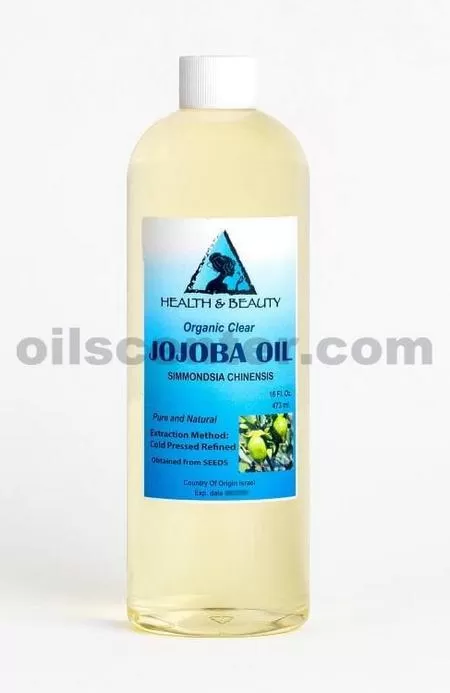
As a rule, natural cosmetics are somewhat more delicate in terms of storage and use - this should also be taken into account. For example, if the cream contains natural oils that are easily oxidized by light, this cream can only be used overnight, and the bottle should be stored in a dark place. And violation of this recommendation is fraught with problems with your skin. If you put your fingers, not shining with purity, into a jar of synthetic cream from mass market brands, most likely nothing will happen, but the natural cream can turn sour and deteriorate almost instantly. Natural products are often prone to stratification and sedimentation - and usually this does not even affect the quality of the cosmetics, although sometimes it can indicate the spoilage of the product. In general, you need to remember that in most cases natural cosmetics are more capricious than their synthetic counterparts: either give a bottle of darkened glass to it, then you need to store it in the refrigerator, then you need to use it three months after opening.
There is another factor that often negatively affects the
overall impression of natural cosmetics: naturalness at the expense of consumer
characteristics. Cream, shampoo, balm or mask “without everything” (synthetic
preservatives, foaming agents, thickeners) can feel like an unnatural product:
it will probably foam worse and will have a less pronounced and less “tasty”
aroma. In addition, many natural products, such as shampoos or mineral scrubs,
need to be mixed with water and look like dirt when finished, which also
doesn't add to their glasses. Here you just need to understand that a natural
remedy a priori behaves more naturally.
Output? Treat natural cosmetics just like any other: do not
consider it unconditionally universal, carefully select it for the type of skin
and hair, use it as directed and follow the manufacturer's recommendations, do
not expect miracles and instant effect from it, conduct a preliminary test for
allergenicity and be ready for the fact that you may need time and patience to
find "your" cosmetics.
Photos
08/17/2020 12:23:05
Comments:0
Views:658
Comments